
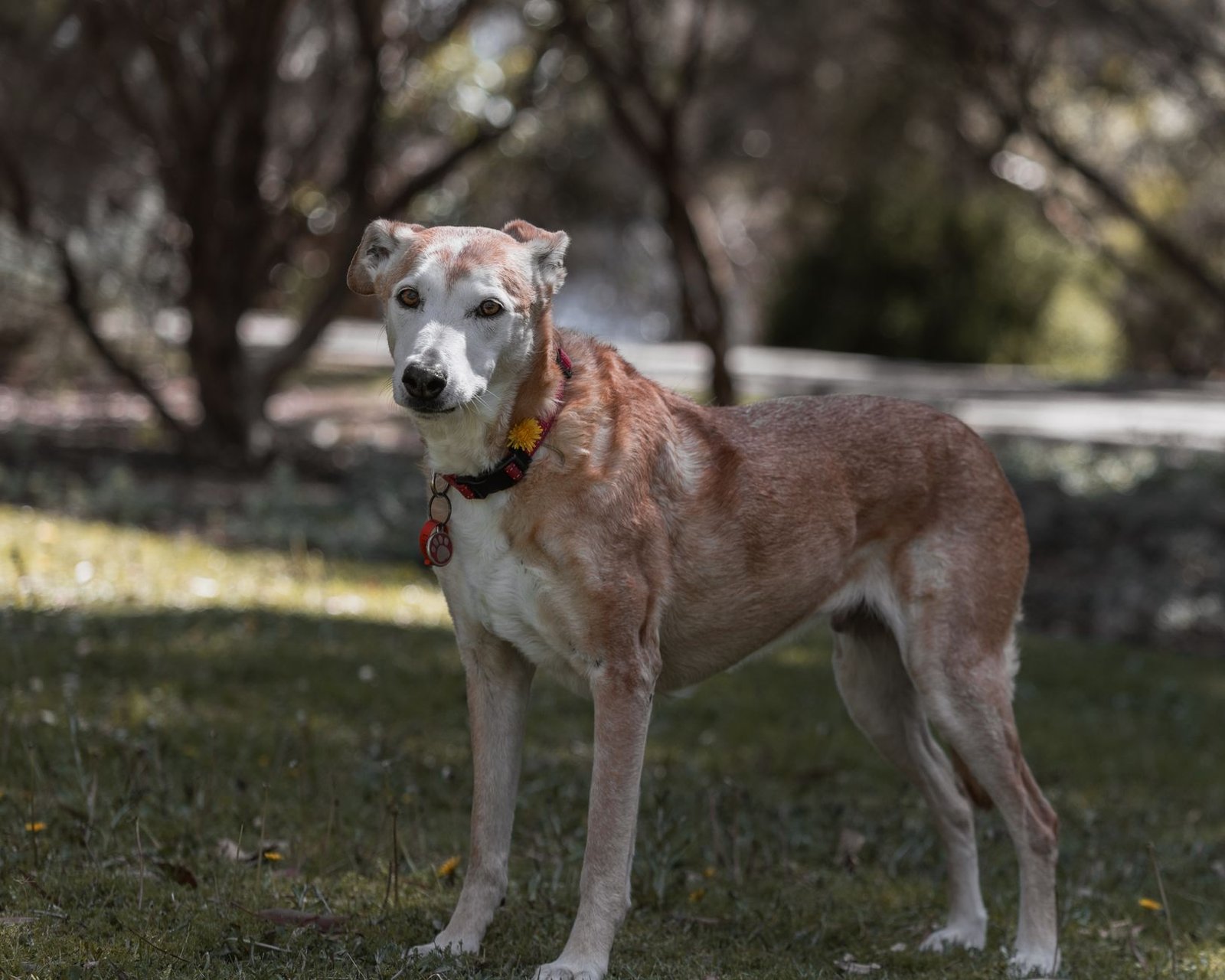
To protect your dog from Lyme disease in Langley, keep them on a year round tick preventive, check their coat after every walk, and remove any attached tick promptly and carefully. Summer brings more ticks to grassy and wooded areas, so consistent prevention and quick action are the most reliable ways to reduce your dog’s risk of tick borne illness.
What Lyme disease is and why it matters for Langley dogs
Lyme disease is a bacterial infection spread through the bite of certain infected ticks. In dogs, the bacteria can take hold after a tick stays attached long enough to feed, which is why prompt removal matters so much. Not every tick carries the bacteria, and not every bite leads to illness, but the risk is real enough that prevention deserves a steady place in your dog’s summer routine.
Around Willoughby and the wider Langley Township, the mild and damp climate of the Fraser Valley suits ticks for much of the year. Summer simply concentrates the exposure, because dogs spend more time outdoors on trails, in long grass, and in wooded areas where ticks wait to attach to a passing host. Families across Latimer, Walnut Grove, Murrayville, and Fort Langley all share the same seasonal reality, so the habits below apply wherever you walk your dog.
How ticks find your dog in summer
Ticks do not jump or fly. They climb to the tips of grass and low vegetation and wait, then grab on when a dog brushes past. This behaviour is why the edges of trails, tall grass along fences, and shaded wooded areas tend to be the highest risk spots. A dog that loves to sniff through undergrowth naturally collects more ticks than one that sticks to open pavement.
Once attached, a tick pierces the skin and begins to feed. It often takes a period of hours before a feeding tick can pass on the bacteria that cause Lyme disease, which is the single most important reason to check your dog soon after every outing. The faster you find and remove a tick, the lower the chance it has to transmit anything. Common attachment sites include the head, ears, neck, armpits, groin, and the skin between the toes, so these deserve extra attention during a check.
Signs of Lyme disease in dogs to watch for
Many dogs who are bitten never show any signs at all, and signs that do appear can be easy to miss because they develop slowly, sometimes weeks after a bite. Being aware of what to look for helps you act early. Contact your veterinary team if you notice any of the following, especially after time spent in tick habitat:
- Limping or stiffness that seems to shift from one leg to another
- Swollen or tender joints
- Reduced appetite or noticeable tiredness
- A fever or a general sense that your dog is unwell
- Swollen lymph nodes
These signs are not unique to Lyme disease, which is exactly why a professional assessment matters. Rather than trying to interpret symptoms at home, it is safest to describe what you are seeing to your team. Reliable diagnostic testing at Latimer Animal Hospital, including in house options, helps your veterinarian look into the cause and guide the next step for your dog.
Daily and seasonal prevention that works
Prevention is far easier and kinder than dealing with illness after the fact. A layered approach gives your dog the best protection through the busy tick months. Consider building the following habits into your summer:
- Keep your dog on a suitable tick preventive chosen by your veterinary team for your dog’s weight, health, and lifestyle
- Run your hands over your dog’s whole body after every walk, feeling for small bumps
- Pay close attention to the ears, head, neck, armpits, groin, and between the toes
- Keep your own lawn trimmed and clear tall grass near fences and play areas
- Stick to the centre of trails where you can, rather than brushing through long grass
Because there is no single product that suits every dog, the right choice depends on your dog’s individual needs and how much time they spend outdoors. Some preventives come as chews, others as spot on treatments or collars, and formulations differ in what they cover. Ask your team to match a product to your dog rather than guessing, so you get dependable protection without gaps. Preventive planning is a natural part of routine wellness care, where your veterinarian can review your dog’s risk and adjust the plan as the seasons change.
How to remove a tick safely
If you find an attached tick, calm and careful removal is the goal. Using fine tipped tweezers or a tick removal tool, grasp the tick as close to your dog’s skin as possible and pull straight out with steady, even pressure. Avoid twisting or squeezing the body, and do not apply heat, oils, or other home remedies, since these can make matters worse. Once the tick is out, clean the area and wash your hands.
It is worth noting the date and, if you can, keeping the tick in a sealed container in case your veterinarian wants to see it. If any part of the tick remains in the skin, if the bite area becomes red or irritated, or if your dog seems unwell afterward, reach out for guidance. If you are ever unsure how to remove a tick or feel uneasy doing it yourself, your team is glad to help, and prompt urgent care during clinic hours is available when something does not seem right.
Working with your veterinary team
Prevention works best as a partnership. Your veterinarian can talk through whether a Lyme vaccination is appropriate for your dog, recommend the right preventive, and advise on how testing fits into your dog’s care. These conversations are grounded in your dog’s own history and lifestyle, which is why general advice online is no substitute for a plan built around your pet. Ongoing medical care at Latimer Animal Hospital gives your team the chance to catch small concerns early and keep your dog comfortable through the seasons.
The team at Latimer Animal Hospital cares for dogs and cats across Willoughby and the surrounding Langley neighbourhoods. If you have questions about ticks, Lyme disease, or the best prevention for your dog this summer, a quick call is always worthwhile. Catching a problem early keeps your dog healthier and gives you real peace of mind on every walk.
Frequently Asked Questions
How quickly should I remove a tick from my dog?
Remove a tick as soon as you find it. The bacteria that cause Lyme disease usually take a period of hours to pass on while a tick feeds, so prompt removal lowers the risk. Check your dog after every walk so no tick goes unnoticed for long.
Can my dog get Lyme disease in Langley during summer?
Yes. Ticks are active in grassy and wooded areas around Willoughby and the wider Langley Township, and summer increases outdoor exposure. Year round prevention paired with regular tick checks is the most reliable way to reduce your dog’s risk of tick borne illness.
Is there a vaccine for Lyme disease in dogs?
A Lyme vaccination is available for dogs, but whether it suits your dog depends on their individual risk and lifestyle. Your veterinary team can review this with you and recommend the best combination of prevention for your dog.
What should I do if I think my dog has Lyme disease?
Contact your veterinary team and describe what you are seeing, such as limping, stiffness, tiredness, or reduced appetite. Avoid guessing at home, since these signs have several possible causes. Your veterinarian can assess your dog and guide the right next step.