
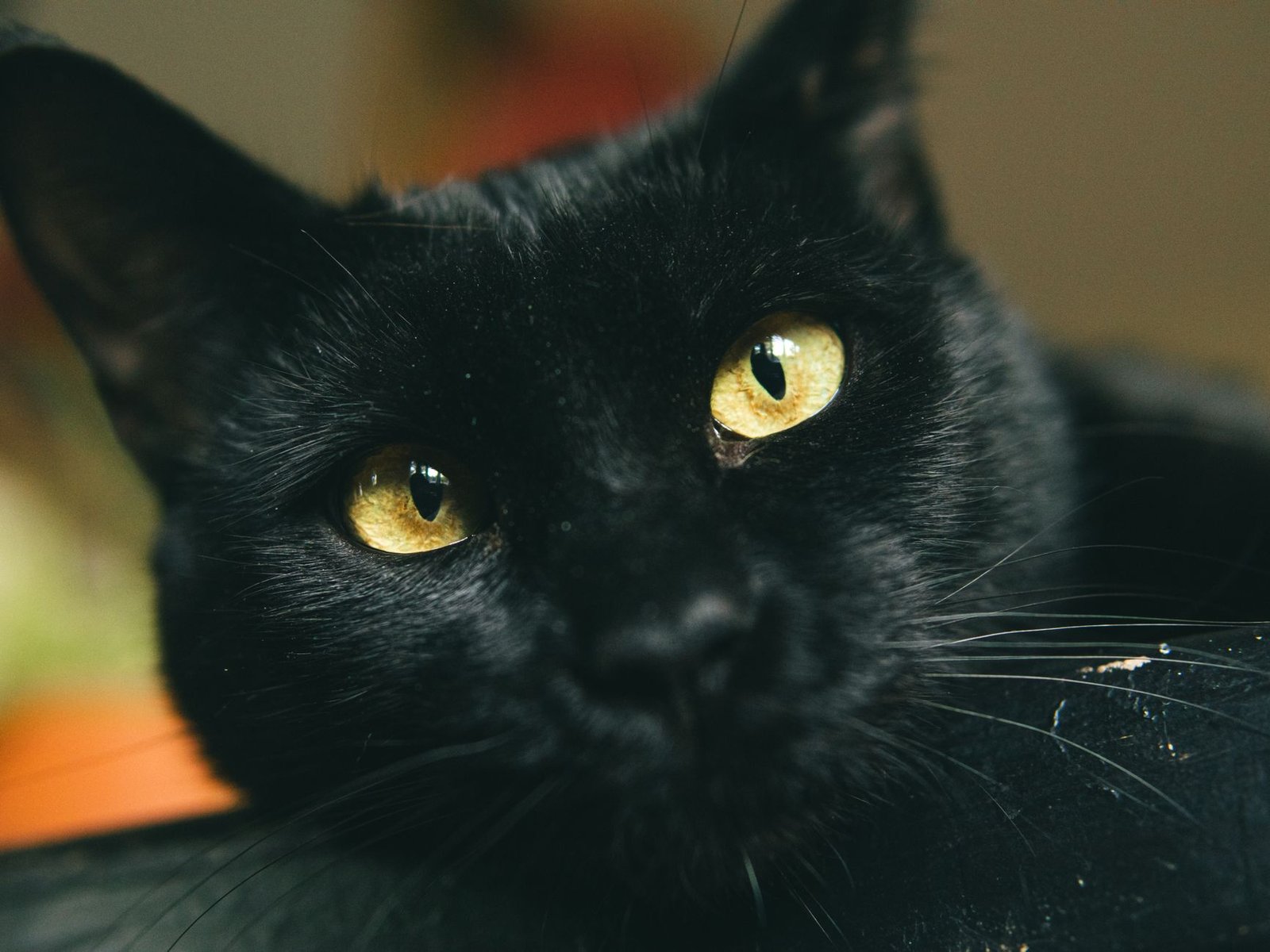
A male cat who keeps visiting the litter box but passes little or no urine may have a blocked urethra, and that can become life-threatening within a day or two. Check the box: missing or tiny urine clumps are the clearest early sign. If he is straining and producing nothing, he needs a vet now, not tomorrow.
Why it is mostly male cats
The tube that carries urine out of the body is long and very narrow in male cats. A small plug of crystals, mucus and cells, or a tiny stone, can lodge in it and stop the flow. Once urine cannot leave, the bladder stretches, and waste that the kidneys should be clearing builds up in the blood. Potassium levels rise, and that can upset the heart’s rhythm.
Female cats have a wider outlet and rarely block, yet a sore, inflamed bladder makes them strain just as hard, so they deserve a visit too.
Reading the litter box
Clumping litter is one of the best early warning systems you have, because it shows roughly how much your cat is producing.
- Learn his normal. Count the urine clumps each day for a week when he is well, and notice their usual size.
- Fewer or smaller clumps than usual, or clumps no bigger than a coin, deserve attention the same day.
- Straining or frequent trips with no urine is an emergency right away, and so is no urine clump at all in twelve hours, even without straining.
- Pink or red clumps mean blood in the urine and need a check.
- Fresh stool but no urine points to the bladder rather than the bowel, which matters because straining looks the same either way.
In a multi-cat home, this is harder, so watch the cat as well as the box.
What else you might see
- Squatting in the box for a long time, getting up, and squatting again
- Crying or growling while trying to go
- Constant licking under the tail
- Small puddles or drops on bath mats, laundry or the bathtub
- Hiding, restlessness, or a cat who does not want to be picked up
- Vomiting and refusing food as it progresses, then weakness and collapse
The moment you notice it
Straining with nothing coming out is not something to watch overnight. Phone our urgent care team straight away and bring him in, in a carrier and handled gently, since his belly will be sore. Do not press on his abdomen to check, and do not give anything by mouth. We are open every day from 8:00 AM, until 8:00 PM Monday to Saturday and until 6:00 PM on Sundays. Outside those hours, including overnight and early in the morning, drive to the closest open emergency hospital and let them know you are on the way with a straining male cat.
At the clinic, the team feels the bladder, runs urine and blood tests through our diagnostics service, and relieves the blockage under sedation. Most blocked cats then need a few days of hospital care on fluids while the bladder settles, including overnight monitoring, which we will arrange.
Cats most at risk in Willoughby homes
- Young to middle-aged males, neutered or not
- Indoor cats who are overweight or not very active
- Cats on dry food only who drink little
- Cats under stress: a move into a new home, renovations, construction noise, a new baby or pet, or tension with another cat
That last one matters in a growing neighbourhood like Willoughby, where moves and building work are part of daily life. Upheaval at home is one of the things most often linked to bladder flare-ups in cats.
The first weeks home after a blockage
The risk of a cat blocking again is highest in the days and weeks after he comes home. Check the litter box closely every day, keep his routine calm, and phone us at the first sign of straining or small clumps, or go to the closest open emergency hospital if we are closed. Follow-up visits matter, and a diet designed for urinary health, set up with our nutrition counselling team, is often part of the plan. Cats who block repeatedly despite everything sometimes need a surgical procedure to widen the outlet, which our surgical services team can discuss and arrange.
Lowering the risk
- More water: add wet food to the menu if your cat’s diet allows it, and try a pet fountain or wide shallow bowls in several spots.
- Enough litter boxes: at least one more than the number of cats, kept clean and in quiet places.
- Healthy weight: extra weight is one of the risk factors, and our guide to autumn weight gain in Willoughby and Langley pets explains how to keep it off through the indoor months.
- Less stress: hiding places, high perches, play every day, and a predictable routine, especially during a move or renovation.
Frequently asked questions
Could he just be constipated?
Possibly, but assume it is his bladder until someone has felt it. The two look alike from outside the box, and guessing wrong with a blocked cat costs precious hours.
How fast does a blocked cat become seriously ill?
Often within a day or two, and faster in some cats. Signs can escalate from straining to vomiting and weakness quickly, so do not wait for them.
He peed on the bath mat once. Is that behavioural?
In a cat who is usually tidy, a sudden accident is more often a bladder problem than a behaviour problem. Check the litter box, and if you see straining or small clumps, call us, or an open emergency hospital when we are closed.
Is it caused by his food?
Diet is one factor among several, along with water intake, weight, stress and individual make-up. Wet food helps many cats by adding water, and some benefit from a diet designed for urinary health.
Can it happen again?
Yes, especially in the first weeks. That is why the litter box check and follow-up visits matter, along with the steps above to reduce the risk.
Do female cats ever block?
Rarely, but they can. Straining in a female cat is still worth a same-day call, since bladder inflammation and stones are painful and need attention.
Speak to the team at Latimer Animal Hospital
If your male cat is straining and passing little or nothing, phone us now, or after hours go straight to the closest open emergency hospital.
Published by the team at Latimer Animal Hospital.
This article is for general educational purposes only and is not a substitute for an in-person veterinary examination or advice about your individual pet. If you have an urgent concern about your pet, contact Latimer Animal Hospital or your nearest emergency veterinary hospital right away.
Latimer Animal Hospital
19885 76 Ave Unit 215, Langley, BC V2Y 4M5
Phone: (236) 473-0375
Hours: Monday to Saturday 8:00 AM to 8:00 PM; Sunday 8:00 AM to 6:00 PM