
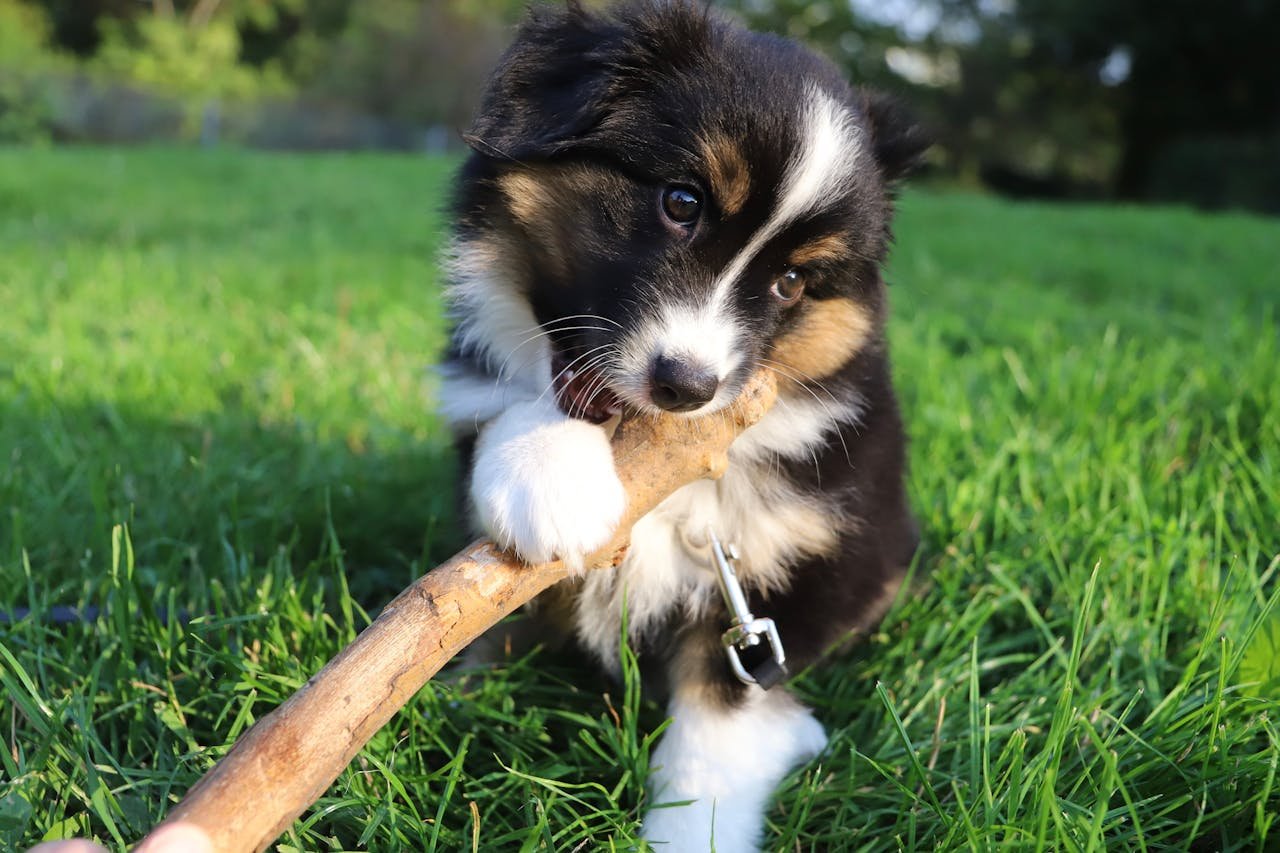
Bringing home a puppy is exciting, heart-warming, and—let’s be honest—a little chaotic. One of the biggest challenges new puppy parents face is dealing with teething and chewing. Understanding why puppies chew and how to train them through this phase can save your furniture, shoes, and sanity.
Understanding Puppy Teething
Puppies begin teething at around 3 to 4 weeks old, and by 6 months, most have their full set of adult teeth. During this period, their gums can feel sore and itchy, which naturally leads them to chew on anything they can find.
Chewing helps relieve discomfort and is a normal, healthy part of development. The key is not stopping the behavior entirely—but redirecting it appropriately.
Why Puppies Chew Everything
Chewing isn’t only about teething. Puppies chew to:
- Explore their environment
- Relieve stress or boredom
- Burn excess energy
- Learn what’s acceptable and what’s not
If a puppy is left without guidance, they’ll make their own decisions—often involving table legs or favorite sneakers.
Choosing the Right Chew Toys
Providing proper chew toys is essential. Look for toys that are:
- Durable but gentle on gums
- Size-appropriate to avoid choking
- Designed specifically for teething puppies
Rotate toys regularly to keep them interesting. Cold or refrigerated rubber toys can also soothe sore gums during intense teething phases.
Training Puppies What Not to Chew
Training should start early and always remain positive. When you catch your puppy chewing something inappropriate:
- Calmly interrupt with a firm “no” or distraction
- Immediately offer an approved chew toy
- Praise them when they choose the correct item
Avoid yelling or punishment—this can create fear and confusion rather than learning.
Puppy-Proofing Your Home
Until your puppy learns boundaries, prevention is your best tool. Keep:
- Shoes off the floor
- Electrical cords hidden or covered
- Remote controls and small objects out of reach
Using baby gates or playpens can limit access to tempting areas during unsupervised time.
Consistency Is Key
Training a puppy takes patience. Everyone in the household should follow the same rules about what the puppy can and cannot chew. Consistent responses help puppies learn faster and feel more secure.
Final Thoughts
Teething and chewing are temporary—but training lasts a lifetime. With the right tools, gentle guidance, and consistency, your puppy will grow out of destructive chewing and into a well-behaved companion. Remember, every chew is a learning opportunity—for both you and your puppy. 🐾